Sponsored article
Why Microencapsulation and Spray Drying Improve Flavour Stability in Dry Products
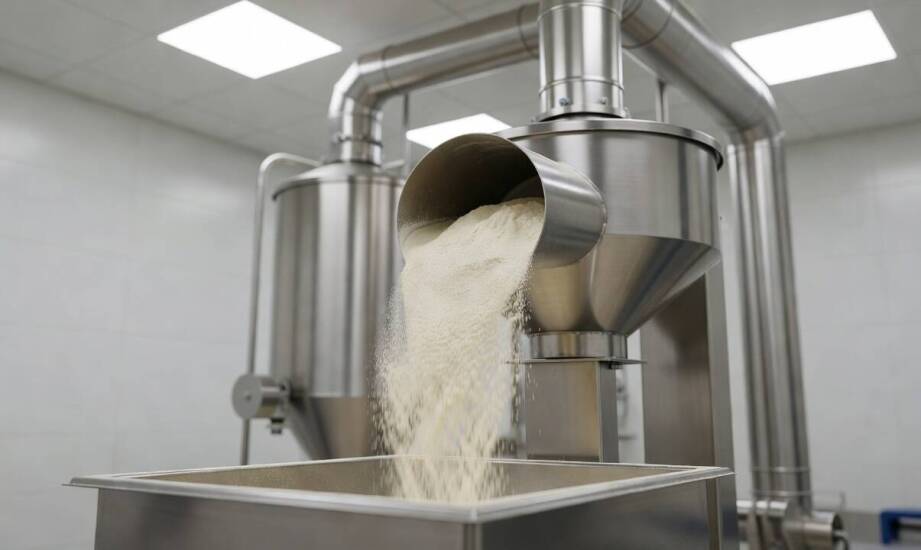
Flavours added to dry food formulations often present significant technological challenges. In many cases, the desired aroma weakens during storage or thermal processing, even when ingredient proportions appear correct on paper. Moisture, oxygen exposure, and temperature fluctuations continuously trigger the loss of the most volatile aroma compounds. Extended warehouse storage further accelerates these effects, gradually diminishing the intended flavour profile.
Read more: How does a professional fruit supplier support the success of grocery stores?
Food technologists encounter this challenge when developing instant products, confectionery fillings, bakery applications, and dietary supplements. Standard methods such as spraying liquid flavourings onto dry bases are often insufficient when long-term stability and consistency are required.
Read more: How Does a Pickled-Products Manufacturer Influence Flavor Diversity in the Kitchen?
How Microencapsulation and Spray Drying Protect Volatile Compounds
Microencapsulation involves enclosing microscopic droplets of flavour substances within a carefully selected wall material. This structure creates a physical barrier that protects the sensitive core from degradation.
By limiting exposure to oxygen, moisture, and light, the protective shell helps preserve flavour characteristics throughout storage. Volatile compounds remain protected until specific processing conditions trigger their release. Depending on the application, this may occur through dissolution in water, mechanical action during chewing, or other product-specific mechanisms.
This approach significantly improves the thermal stability of flavour systems, helping them withstand demanding production processes such as baking, extrusion, and drying.
Creating an effective protective barrier requires a highly controlled manufacturing process. An experienced food flavour factory begins by preparing a stable emulsion. The liquid formulation is then processed in spray-drying towers, where hot air rapidly removes moisture from atomised droplets. As water evaporates, a protective shell forms around the flavour core before excessive heat can damage the active compounds.
The result is a dry powder with a protected microstructure that helps retain aroma compounds during transport, storage, dosing, and packaging. The manufacturer operates proprietary spray-drying facilities and uses microencapsulation technology for powdered flavour production.
The Role of Carrier Materials in Flowability and Logistics
The choice of carrier material strongly influences the behaviour of the finished powder. Carbohydrate-based carriers such as maltodextrin or modified starches differ in their performance during drying and storage.
A properly selected carrier helps retain delicate flavour notes within the powder matrix while also contributing to important physical properties.
The outer structure improves flowability and reduces moisture uptake from the environment. Excessively hygroscopic carriers can cause caking, whereas overly rigid encapsulation systems may prevent flavour release when the final product is prepared or consumed.
The resulting free-flowing powder allows manufacturers to blend flavourings with other dry ingredients using conventional equipment. This eliminates the need for complex systems designed to handle sticky liquids.
Powdered flavour systems also offer logistical advantages. They are typically stable at ambient temperatures, simplifying storage and reducing the need for temperature-controlled transport and warehousing.
Before shipment, manufacturers routinely evaluate flow properties, particle-size distribution, angle of repose, and resistance to mechanical stress.
Consistent powder flow plays a direct role in accurate flavour dosing, helping manufacturers maintain the same sensory profile across multiple production batches.
Matching Technology to the Final Product Matrix
A stable powdered flavour must release aroma compounds in a way that aligns with the requirements of a specific product category.
In dietary supplements, controlled flavour release can help mask the bitter or metallic notes associated with vitamins, minerals, amino acids, or botanical extracts.
Instant beverages and powdered food concentrates require the opposite functionality. In these applications, flavour particles must disperse rapidly and deliver aroma immediately after reconstitution.
For biscuits, wafers, bakery fillings, and other baked products, high resistance to baking temperatures becomes a critical requirement.
During baking, flavour compounds are exposed to intense heat and moisture movement. Properly designed microcapsules help protect volatile components until the product structure stabilises, allowing the desired aroma profile to remain present in the finished product.
Technology Development and In-House Manufacturing Capabilities
Continuous innovation in flavour stability depends heavily on access to specialised production equipment. HOFFMANN Food Flavouring Factory operates its own production facilities equipped with spray-drying towers used for the manufacture of powdered flavourings and microencapsulated systems. The company has been producing liquid and powdered food flavours since 1995 and provides custom-developed solutions for multiple sectors of the food industry.
Maintaining direct control over drying parameters and encapsulation processes supports the development of carrier systems tailored to specific application requirements and release mechanisms.
The stability of flavourings used in instant products, supplements, and baked goods is therefore not accidental. It results from a carefully planned combination of microencapsulation technology, carrier selection, and product-specific formulation strategies.
Only a comprehensive understanding of these technological interactions makes it possible to maintain flavour integrity throughout the intended shelf life of a product.
Well-protected flavour compounds help ensure batch-to-batch consistency while supporting food manufacturers in delivering a reliable consumer experience.
Powdered flavourings can lose intensity due to moisture, oxygen exposure, temperature fluctuations, and prolonged storage.
Microencapsulation creates a protective barrier that isolates flavour compounds from environmental factors.
Spray drying converts emulsions into dry powders while helping preserve capsule structure.
Carrier selection influences flavour retention, flowability, and resistance to caking.
Instant products, supplements, and confectionery applications require different flavour-release profiles.
Powdered formats simplify dosing, storage, and mixing with dry ingredients.
Long-term flavour stability depends on the proper combination of technology, carrier materials, and product matrix.
FAQ
Why can powdered flavours lose intensity during storage?
Powdered flavourings primarily lose intensity because of exposure to moisture, oxygen, and temperature changes. These factors accelerate the loss of volatile aroma compounds and can negatively affect powder structure. The longer the storage period, the greater the risk of flavour degradation.
How does microencapsulation differ from simple drying?
Microencapsulation encloses flavour compounds within a protective carrier material rather than merely removing water. This helps shield the flavour core from degradation and enables controlled release under specific conditions. Conventional drying alone does not provide the same level of protection.
When is a powdered flavour preferable to a liquid flavour?
Powdered flavourings are often preferred when dosing accuracy, storage stability, and easy blending with dry ingredients are important. They are particularly suitable for instant products, supplements, and bakery applications where flavour performance must be maintained during processing and storage. They also simplify production by eliminating the need to handle viscous liquids.
You might be interested
How Do Mould Design and Maintenance Affect the Cost-Effectiveness of an Entire Production Run?

How to properly use car cleaning products?

When to Decide on an Office Renovation?